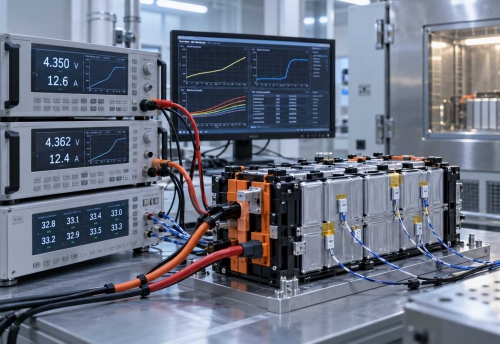
Learn how a Lithium Battery Over-discharge Test works, why it matters, what engineers monitor, and how over-discharge differs from forced discharge and deep discharge.
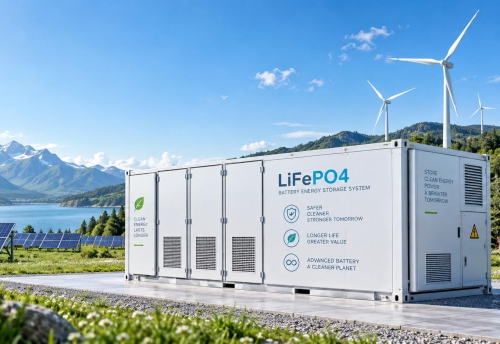
Learn how LiFePO4 battery technology works, why LFP is still evolving, and what B2B buyers should know about safety, BMS, recycling, solid-state batteries, and energy storage.
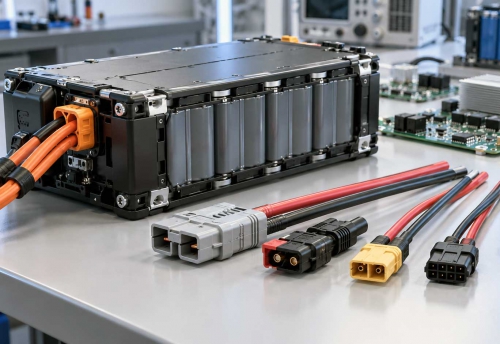
Learn how to choose a lithium battery connector based on current, voltage, wire size, contact resistance, polarity, locking, temperature and battery pack application.
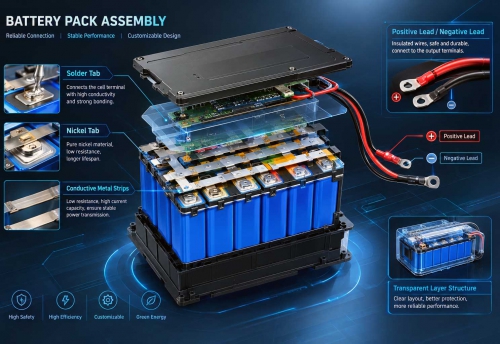
Learn the differences between solder tabs, nickel tabs, positive leads and negative leads in battery packs, including materials, connection methods, polarity identification and selection tips.
Learn how to read solar panel specifications including power output, efficiency, Voc, Vmp, Isc and temperature coefficient. Compare 30W, 100W, 400W, 550W, 700W solar panels and choose the right module for residential, commercial a...
Learn how to calculate the number of solar panels needed for your home or business. Understand panel wattage, electricity consumption, sunlight hours, system losses and battery storage sizing with practical examples.
Learn the real cost of whole-home battery backup systems in 2026. Compare 5kWh, 10kWh, 15kWh, 20kWh, 30kWh and 50kWh battery storage solutions, installation costs, ROI, and key factors for homeowners, solar installers, and energy ...
Compare hybrid solar systems and on-grid solar systems in terms of cost, backup power, ROI, battery storage, efficiency, and installation requirements. Learn which solar solution is best for residential, commercial, and industrial...
Learn how to choose a reliable solar system supplier in Europe. Compare certifications, local warehouse support, hybrid inverters, LiFePO4 batteries, after-sales service, delivery times, and technical support for residential and c...
A practical engineering analysis of lithium-oxygen battery transport kinetics, nucleation behavior, and future stationary energy storage applications for industrial ESS and renewable energy systems.
Explore how Li⁺ solvation structure tuning, electrolyte engineering, and lithiophobic interface design are improving fast charging lithium metal batteries for high energy density stationary energy storage and industrial battery s...
Explore how blockchain energy management integrates battery storage systems and EV charging networks to create decentralized energy systems, improve renewable energy utilization, reduce operating costs, and optimize grid performan...
Explore how long duration energy storage (LDES) supports grid decarbonization, renewable energy integration, and electricity storage economics in Europe. Learn how long-duration storage improves grid stability, reduces curtailment...
Explore the development trend of high-energy-density dual-ion batteries using concentrated potassium fluorosulfonylimide electrolytes for stationary energy storage systems, grid balancing, renewable energy integration, and industr...
Explore how flexible energy storage systems combine organic photovoltaic modules and rechargeable batteries to power next-generation wearable electronics. Learn design challenges, battery selection, voltage platforms, energy harve...
Learn how parallel inverter control strategies improve stability, efficiency, and backup power performance in islanded microgrids. Explore practical solutions for distributed generation, battery storage systems, and industrial bac...
Learn how hybrid energy storage system design helps industrial parks reduce electricity costs, improve renewable energy integration, optimize energy system performance, and lower carbon emissions through coordinated battery and en...
MOTOMA polymer soft-pack batteries deliver ultra-thin flexibility, medical-grade safety, and high energy density for wearable ECG monitors. Custom shapes, wide temperature tolerance, and reliable 24/7 performance.
A solar engineer explains how combining solar power with energy storage batteries works, benefits, technologies (LiFePO4 vs NMC), planning tips, and FAQs about solar electricity battery storage.
A practical, engineer-focused guide to small LiPo batteries: what makes them different, key parameters, procurement tips, product decisions, and future materials and system trends.
Simple, practical guide on swollen lithium polymer (LiPo) batteries: causes, dangers, what to do, prevention tips for users, and factory measures to reduce risk.
A clear, practical guide to 24V LiFePO₄ (lithium iron phosphate) batteries — how they work, advantages over lead-acid, common uses, buying tips and FAQs.
How do solar lithium batteries work? The differences between LiFePO4, NCM, and LTO batteries, and how to choose the best solar storage system for your home or off-grid setup.
Learn everything about 2200mAh LiPo batteries — from 1S to 4S voltage platforms, charging tips, performance comparison, and best applications for drones, RC cars, and more.
Learn everything about LiPo batteries for RC cars, trucks, and drones — voltage, capacity, C-rate, and safety tips. Find out how to choose the best LiPo battery for your RC setup.
Learn everything about 18650 LiPo batteries — their safety features, applications, and key specifications. Explore how 18650 lithium polymer cells power laptops, drones, e-bikes, medical devices, and solar systems. Includes volta...
Chinese scientists achieve a world-class breakthrough in all-solid-state lithium batteries, boosting energy density by 86%, extending EV range beyond 1,000 km, and revolutionizing safety, flexibility, and renewable energy storage.
Learn everything about 10000mAh Li-Polymer batteries—energy density, temperature performance, applications, and expert buying tips. Perfect for power banks, drones, and portable devices.
MOTOMA‘s polymer LiPo batteries for medical wearables. Ultra-thin design, up to 600 Wh/L energy density, long cycle life, IPX7, CE/UL/IEC certified—ideal for wireless heart rate monitors and next-gen health devices.
Discover how MOTOMA polymer lithium batteries power GPS Tracker Devices and GPS wearables with ultra-thin design, long cycle life, high energy density, and global safety certifications.
2025, the latest ultra-thin LiPo cells, their models, capacities, and advanced technologies. Learn how LiPo cells power modern electronics with high efficiency, safety, and portability.
Learn more about 12V LiPo batteries: applications, key specifications, capacity options, safety tips, and why custom battery packs are essential for drones, solar, medical, and electronics.
MOTOMA Polymer Lithium Batteries for Medical Wearables: customized polymer lithium batteries deliver safety, durability, and 24/7 performance for medical wearable devices. Safe & Reliable Power Solutions for Future Medical Devices...
7.4V lithium polymer (LiPo) batteries: how they work, key benefits, safety guidelines, comparisons with NiMH & Li-ion, and future development trends. Perfect choice for drones, RC cars, and portable electronics.
Discover MOTOMA medical-grade lithium polymer batteries for wearables. Safe, lightweight, and long-lasting power for ECG, BP monitors, and smart health devices.
Discover realistic 2025 prices for home solar energy storage batteries, including LiFePO4, along with cost breakdowns, buying tips, and future price trends. Convert costs to USD for easy comparison.
Discover how MOTOMA custom-engineered lithium polymer (Li-Po) soft pack batteries deliver high energy density up to 620 Wh/L, wide temperature performance from -40°C to +60°C, fast 3C charging, and up to 10C discharge for wearable...
Why the 2S LiPo battery is the safest and most beginner-friendly power option for RC models, such as cars, drones, and planes, learn tips for usage, charging, storage, and selection.
Learn how to build your own DIY solar energy storage system at home. Save on electricity bills, gain energy independence, and explore step-by-step solar setup guidance.
Discover how home solar energy storage systems can cut electricity costs, provide backup power, and boost energy independence. Learn how they work, why the market is booming, and how to choose the right system for your family.
Li Ion of Li Polymer batteries, learn how lithium-ion components are used in lithium-polymer cells, their structural differences, performance characteristics, and applications in modern electronics like EVs, drones, and smartphone...
Understanding the power behind modern electronics, battery LiPo battery technology powers smartphones, drones, and wearables. Learn about swelling, cold resistance, fast charging, and future innovations.
What makes Lipol battery unique, their key advantages over traditional lithium-ion cells, and how they power modern electronics from smartwatch to drones.
Inverter guide: Learn what an inverter is, how it converts DC to AC, the role of PWM and H-bridge switching, plus efficiency, EMI, cost, and SiC/GaN innovations in solar and EV systems.
How solar battery storage works, why it’s essential for clean energy, and how new technology ensures safety and efficiency. Learn key insights and trends in modern solar energy storage.
How to Choose? And how 3.7V LiPo batteries power modern electronics. Learn about specifications, typical applications, quality standards, and global certifications.
Explore how batteries for storing solar electricity are transforming energy usage in homes, businesses, agriculture, and remote industries. Learn practical applications and market insights.
Learn everything about 3S LiPo lithium polymer batteries including their voltage range, applications in mobile electronics, technical specifications, and safety tips.
The engineering-level overview of 14.8V Lithium Polymer Batteries 4s lipo Packs: cell configuration, discharge performance, safety features, and comparison with traditional lithium-ion batteries, Use Case:ools, Instruments, Roboti...
Discover how photovoltaic inverters work and where they’re applied—from rooftop solar panels to industrial-scale solar farms. A beginner-friendly guide to the heart of solar power systems.
The lithium polymer battery type: safer, flexible, and ideal for smart electronics, drones, EVs, and more. Learn its advantages, types, and real-world uses.
The safe temperature range of lithium polymer (LiPo) batteries for charging, discharging, and storage. Learn how engineers select and customize wide-temperature LiPo batteries for electronics, wearables, and industrial projects.