
Have you ever noticed the back cover of your phone, laptop, or Bluetooth earphones bulging or popping open? Or maybe your device looks slightly bent for no reason? If that’s happened, take it seriously — your battery might be swollen.
This isn’t just a cosmetic issue. It’s a clear safety warning. Below is a simple explanation of why lithium polymer batteries swell, how dangerous it can be, what to do, and how factories work to prevent it.

Part 1: What Every User Should Know — When Your Device “Gains Weight”
1. Why does it swell?
Swelling happens because gas builds up inside the battery. Think of it as a small balloon slowly inflating. When something goes wrong, unwanted chemical reactions produce gas that cannot escape.
Main causes:
- Overcharging and over-discharging: Overcharging forces extra energy in after 100% and creates gas. Over-discharging (draining to 0% and leaving it) damages internal chemistry and can also create gas.
- Physical damage: Drops, pressure, or punctures can tear the separator, causing short circuits, heat, and gas.
- High temperatures: Heat speeds up chemical aging — leaving a device in a hot car or charging while heavy gaming raises risk.
- Natural aging: Even with good care, batteries degrade after hundreds of cycles and may form small amounts of gas over time.
Estimated causes:
Overcharge/Overdischarge: 45% · Physical damage: 35% · High temperature: 20% · Natural aging: 10%
2. How dangerous is a swollen battery?
A swollen battery is very dangerous. It is under internal pressure and can trigger thermal runaway — a chain reaction of heat, gas, and fire. If a LiPo battery burns, it burns violently and may release toxic gases. Treat any swollen battery as an immediate safety risk.
3. What to do if you find a swollen battery (4 safety steps)
- Stop using it immediately: Power off the device and do not turn it on again if possible.
- Unplug the charger: Remove any power source at once.
- Place it somewhere safe: Move the device away from flammable items and keep it in a well-ventilated area. A ceramic or metal container is ideal.
- Seek professional help: Contact the manufacturer or an authorized repair center, or take it to a hazardous-waste or battery-recycling point. Never throw it in regular trash.
Warning: Never pierce, squeeze, or open a swollen battery. That is extremely dangerous.
4. How to prevent swelling
- Use original or certified chargers and cables.
- Avoid charging while running heavy apps or games.
- Recharge before the battery drops to 20%.
- If storing long-term, keep charge near 50%.
- Keep devices cool and out of direct sunlight.

Part 2: Factory Perspective — Stopping Swelling at the Source
For lithium battery manufacturers, preventing swelling spans design, production, and testing. Below are the main defenses.
First line: Design and materials
- High-quality separator: Ceramic-coated separators can close pores at high temperature to stop ion flow and prevent thermal runaway.
- Electrolyte additives: Improve heat resistance and help form a stable SEI layer that reduces gas under stress.
- Mechanical design: Designers leave slight expansion space and, for larger batteries, may include pressure-relief vents that release gas safely.

Second line: Production and environment control
- Cleanrooms: Production occurs in dust-free rooms; tiny particles can pierce the separator and cause future short circuits.
- Humidity control: Low moisture is essential; water reacts with electrolyte and causes gas and corrosion.
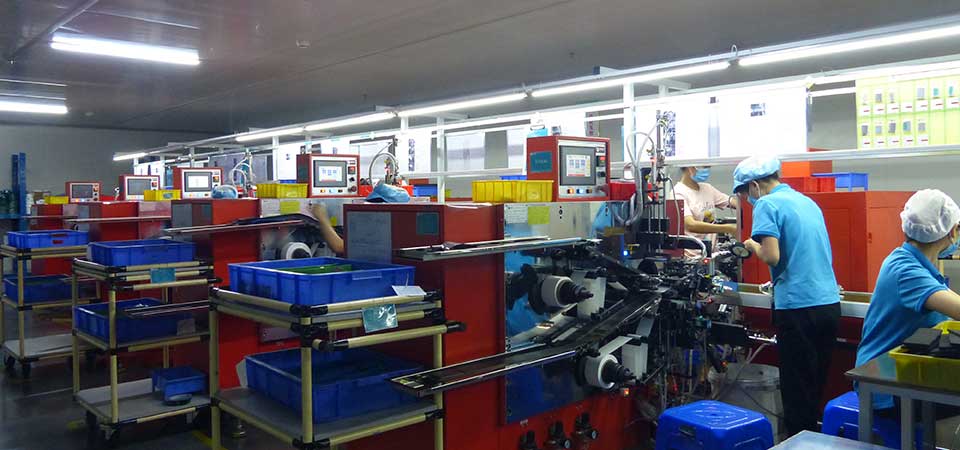
- Automation: Robots improve consistency in stacking, welding, and filling to reduce human error.
Third line: Formation and aging tests
Every cell undergoes formation (first controlled charge) and aging. Factories monitor voltage, current, temperature, self-discharge, and thickness changes. Cells with abnormal self-discharge or thickness increase are rejected.
Fourth line: Root cause analysis and traceability
If swelling shows up in production or the field, teams perform root cause analysis and trace production records. Traceability (QR or laser codes) links each cell to materials and line data, enabling fast recalls if needed.
Top Q&A
User questions
- Q: Slightly swollen — can I keep using it?
- A: No. Stop using it immediately. Swelling is irreversible and can worsen quickly.
- Q: Can I poke it to release gas?
- A: Never. Piercing a LiPo battery can cause fire or explosion.
- Q: Will all swollen batteries explode?
- A: Not always, but treat each as if it could. Don’t take risks.
- Q: Still under warranty — what now?
- A: Contact official support. Many brands cover swelling under warranty when it’s a quality issue.
- Q: Are there batteries that never swell?
- A: Not yet. All lithium-based cells can swell with misuse or aging. Solid-state tech may improve safety in the future.
- Q: How do factories detect early risks?
- A: High-precision thickness and open-circuit voltage monitoring during aging reveal tiny issues before shipping.
- Q: Why do some batteries fail after passing tests?
- A: External factors like poor device cooling, bad charging ICs, or transport damage can trigger failure later.
Summary: Preventing battery swelling requires responsible users and disciplined factories. With smart design, clean production, and careful use, LiPo batteries can remain safe and reliable.