
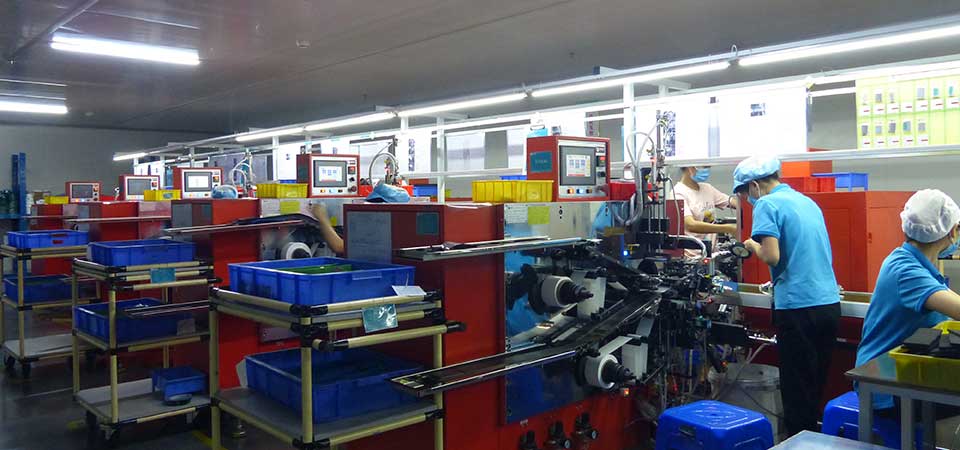
In the landscape of modern healthcare, surgical infusion care equipment plays a vital role in delivering life-saving medications and fluids with precision and reliability. From anesthesia delivery systems to automated syringe pumps and portable infusion pumps, these devices demand a power source that is compact, safe, and consistently dependable. Lithium batteries have emerged as a leading energy solution for this class of medical devices, addressing critical performance requirements in both clinical and surgical environments.

Market Overview: The Growth of Infusion Technology
According to a recent report by MarketsandMarkets, the global infusion pump market is projected to reach USD 20.5 billion by 2028, driven by the increasing number of surgeries, the aging population, and a growing emphasis on portable and home healthcare solutions. As surgical procedures become more complex and patient care increasingly mobile, the need for compact, high-performance power sources becomes more urgent.
However, this growth brings unique technical and operational challenges. Hospitals and surgical centers demand equipment that functions flawlessly under continuous use, in sterile environments, and often in mobile or backup situations. Traditional battery technologies such as nickel-cadmium (NiCd) or nickel-metal hydride (NiMH) are no longer adequate, particularly in terms of size, weight, energy density, and lifecycle cost.
Identifying the Pain Points: What Do Users Need?
Through industry surveys and customer feedback, several key pain points emerge for users of surgical infusion devices:
- Power Stability: Any interruption in infusion flow can be life-threatening, especially during surgery.
- Compactness and Weight: Equipment used in surgery must be compact and ergonomic, particularly for handheld or portable systems.
- Battery Life and Runtime: Long-lasting batteries reduce downtime and the need for frequent charging or replacements.
- Fast Recharge Capability: In emergency surgical settings, batteries must recharge quickly to return to service.
- Safety and Compliance: Power systems must meet rigorous safety and medical certification standards.
- Smart Monitoring: Increasingly, medical staff require intelligent battery management systems (BMS) that provide real-time battery health and charge data.
Engineering the Solution: Lithium Battery Integration for Infusion Equipment
1. Battery Chemistry Selection
For surgical infusion care equipment, Lithium-ion (Li-ion) and Lithium Polymer (LiPo) batteries are the most suitable chemistries due to their superior energy density, long cycle life, and lightweight design.
- Li-ion Batteries: Ideal for high-drain applications and larger infusion systems. Offers stable discharge voltage and long cycle life.
- LiPo Batteries: Best for compact or custom-shaped devices due to their flexible packaging.
2. Smart Battery Management System (BMS)
An advanced BMS is essential for:
- Overcharge, Overdischarge, and Short-Circuit Protection
- State of Charge (SoC) and State of Health (SoH) Estimation
- Temperature Monitoring and Thermal Cutoff
- Communication via SMBus, I2C, or UART protocols
This allows real-time diagnostics and remote monitoring, enabling preventive maintenance and safer operation.
3. Customized Form Factors
Manufacturers now offer custom battery packs using pouch or prismatic cells tailored to the internal layout of infusion devices, ensuring minimal space consumption while maximizing capacity.
4. High Energy Density and Fast Charging
Modern lithium batteries provide energy densities up to 620 Wh/L and fast-charging capabilities (1C–2C), reducing downtime and improving operational efficiency.
5. Regulatory Compliance
Leading lithium battery solutions are engineered to comply with:
- IEC 62133
- UN38.3
- ISO 13485
Use Case Examples
- Portable Infusion Pumps: Lithium-polymer battery packs provide 8+ hours of operation, suitable for field hospitals and patient transport.
- Syringe Pumps for Surgery: Li-ion packs deliver precise fluid control with real-time battery alerts.
- Ambulatory Infusion Systems: Lightweight lithium batteries allow patients to receive treatment at home, reducing hospital load.
6. Recommended Lithium Battery Solution for Surgical Infusion Care Equipment
a. Battery Type: Medical-Grade Lithium Polymer (LiPo) Battery
- Nominal Voltage: 3.7V / 7.4V / 11.1V (customizable series connection)
- Capacity Range: 1000mAh – 6000mAh
- Energy Density: 200–250 Wh/kg
- Shape: Customizable (flat, curved, irregular)
- Advantages: Ultra-lightweight, thin, high discharge stability, fast charging support
b. Smart Battery Management System (BMS)
- Overcharge / Overdischarge / Short-circuit / Temperature Protection
- State of Charge (SoC) and State of Health (SoH) Monitoring
- Communication Interfaces: SMBus, I2C, UART
- Optional wireless module (BLE) for remote battery diagnostics
c. Regulatory Compliance
- IEC 62133-2:2017 – International safety standard for rechargeable lithium batteries
- UN38.3 – Transportation safety certification
- UL 1642 / UL 2054 – U.S. safety certifications
- ISO 13485 – Medical device quality management system
d. Recommended Battery Configurations
| Device Type | Battery Model | Voltage | Capacity | Runtime | Form | Communication |
|---|---|---|---|---|---|---|
| Portable Syringe Pump | 2S1P 7.4V 2600mAh | 7.4V | 2600mAh | 6–8 hours | Flat | SMBus |
| Tabletop Infusion Pump | 3S1P 11.1V 4000mAh | 11.1V | 4000mAh | >10 hours | Rectangular | UART |
| Wearable Infusion Device | 1S1P 3.7V 1800mAh | 3.7V | 1800mAh | 4 hours | Curved | BLE |
e. Optional Customization Services
- Custom plastic housing (medical-grade flame-retardant ABS)
- Integrated LED or OLED charge indicators
- Wireless charging module (Qi-compatible)
- Hot-swappable battery dock design
- IPx4–IPx7 waterproof encapsulation
f. Engineering Advice
When designing power systems for surgical infusion devices, engineers must consider power consumption, available internal space, EMC performance, real-time communication, and patient comfort. It is strongly recommended to collaborate with lithium battery manufacturers certified under ISO 13485 and experienced in both cell design and full-pack customization.
Lithium batteries represent the cutting edge of energy solutions for surgical infusion care equipment. With their superior performance, safety, and adaptability, they are poised to replace legacy battery systems and power the next generation of intelligent, portable, and precision-driven medical devices. Whether you’re designing infusion pumps or managing surgical equipment fleets, understanding lithium battery integration is now essential for operational success and patient care continuity.