Project Overview
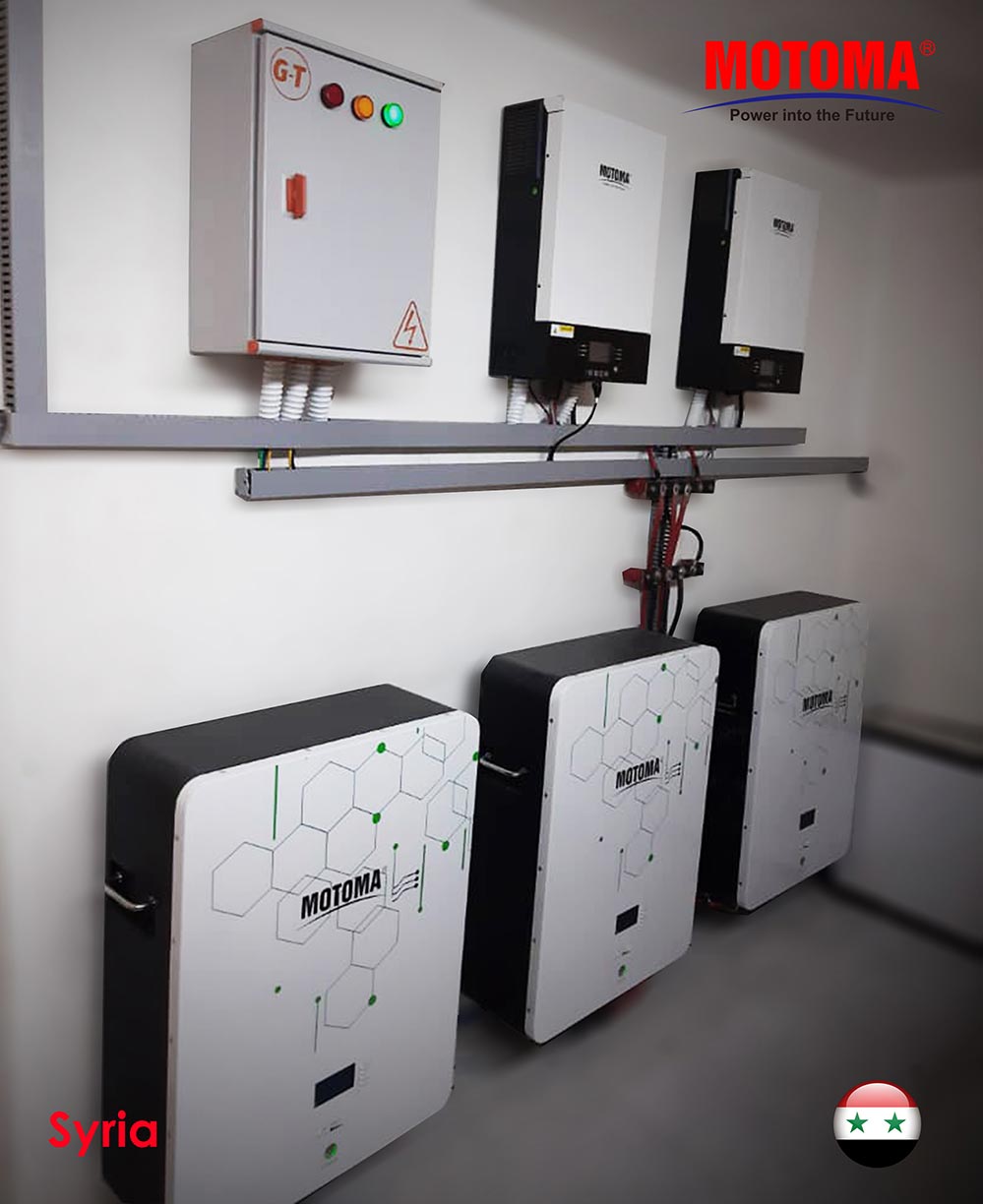
This case study details the installation of a hybrid solar energy system tailored for residential, commercial, and industrial applications in areas with unreliable grid power or high electricity costs. The system comprises:
- 3 × M88PW LiFePO₄ batteries (30.72kWh total capacity)
- 2 × 11kW Axpert Ultra hybrid inverters (22kW combined output)
- 24 × 555W PERC solar panels (13.32kWp array)
This configuration provides reliable, uninterrupted power, intelligent load prioritization, and optimized energy management, ideal for both day-to-day energy savings and emergency backup.
System Component Summary
Total Battery Storage: 30.72kWh (usable ~24.58kWh at 80% DoD)
Total PV Capacity: 13.32kWp
Inverter Output Capacity: 22kW (sufficient for loads up to ~18.5kW with headroom)
System Sizing and Performance
Daily Solar Output Estimation: 13.32kWp × 4.5h/day = ~59.94kWh/day
Enough to fully charge the batteries, power daytime loads, and reduce grid dependence.
Load Coverage Example:
- Lighting & Fans: 1000W
- Refrigeration: 1000W
- Computers & Office Use: 1500W
- Air Conditioning: 6000W
- Workshop/Commercial Loads: 8000W
- Other Equipment: 1000W
- Total Estimated Load: ~17.5kW
Installation Guidelines
- Site Survey and Design: Assess available space (~55.2m² for 24 panels), plan indoor placement for inverter and batteries.
- PV Panel Mounting: South-facing, proper angle, secure framing, within inverter’s MPPT range.
- Inverter Setup: Connect Output 1 to essential loads, Output 2 to general loads, configure settings via LCD or app.
- Battery Installation: Parallel connection of 3 batteries, use proper cables, enable BMS communication.
Safety Considerations
- Fire Protection: Use smoke detectors and Class C extinguishers.
- Waterproofing: Ensure IP65+ protection for all outdoor components.
- Lightning Protection: Install SPDs and proper grounding.
- Shock Prevention: Insulated terminals and signage.
- Ventilation: Maintain clear airflow around units.
User Interface and Monitoring
Users can monitor real-time performance via mobile app and LCD screen. Features include:
- PV generation and battery SoC
- Load consumption
- AC input source and output power
- Remote diagnostics and firmware updates
Common Questions about Solar Energy Systems (FAQ)
- Q1: How long can the battery supply power during an outage?
- A: 4–6 hours for moderate loads (4–6kW). Time increases with fewer active loads.
- Q2: Can I expand the system in the future?
- A: Yes, up to 6 inverters and 15 battery packs are supported in parallel.
- Q3: Will the system still work on cloudy or rainy days?
- A: Yes, thanks to battery backup and optional grid/generator charging.
- Q4: What happens when the battery is fully charged?
- A: Excess solar powers loads directly or can be exported (in grid-tied systems).
- Q5: Is the system safe?
- A: Yes, with full BMS protection, anti-shock design, SPDs, and certified components.
- Q6: How long do the batteries last?
- A: Over 6000 cycles at 80% DoD—typically 15+ years of reliable service.
This compact yet powerful hybrid solar energy system is ideal for homes, small businesses, and workshops seeking stable power and lower electricity bills. With smart automation, modular scalability, and robust safety protections, it delivers efficiency, reliability, and peace of mind in any environment.