
As our devices become smaller, smarter, and more powerful, the demand for compact yet high-performance energy sources continues to rise. One standout solution is the battery type lithium polymer, often referred to as بطارية LiPo. These advanced batteries are not only lightweight and flexible but also widely adopted across industries—from consumer electronics to aerospace.
ما هي بطارية بوليمر الليثيوم؟
A بطارية بوليمر الليثيوم is a type of rechargeable بطارية ليثيوم أيون that uses a polymer-based gel electrolyte instead of the liquid electrolyte found in conventional lithium-ion cells. This allows for greater design flexibility, as the battery can be manufactured in various shapes and ultra-thin forms—even as slim as 0.4 mm.
- High energy density (typically 500–620 Wh/L depending on chemistry)
- Flat, lightweight, customizable shapes
- Nominal voltage of 3.7 V per cell
- Operating temperature range from –40 °C to +85 °C
- Low risk of leakage or electrolyte spillage
Types of بطارية بوليمر الليثيوم Chemistries
| نوع البطارية | مادة الكاثود | الجهد | أبرز المزايا |
|---|---|---|---|
| LCO (Lithium Cobalt Oxide) | LiCoO₂ | 3.7 V | High energy density, compact, lower safety |
| NMC/NCA (Nickel-based Ternary) | Li(NiMnCo)O₂ or NCA | 3.6 V | Balanced performance, used in EVs |
| LMO (Lithium Manganese Oxide) | LiMn₂O₄ | 3.7–4.2 V | High safety, moderate energy, power tools |
| LFP (Lithium Iron Phosphate) | LiFePO₄ | 3.2 V | Superior thermal stability, long lifespan |
السلامة Advantages of Lithium Polymer Batteries
- Solid/Gel الإلكتروليت – More stable, less leakage risk.
- Wide Temperature Range – Operates from –40 °C to +85°C.
- Overcharge & Short Circuit Protection – Built-in BMS or PCM improves safety.
Note: السلامة still depends on using certified components, proper charging, and avoiding physical damage.
Real‑World Applications of Lithium Polymer Batteries
- Consumer Electronics: Smartphones, tablets, smartwatches—LiPo enables slim, lightweight designs.
- Drones & RC Models: High discharge rates and low weight make them ideal for UAVs and RC devices.
- Electric Vehicles & E‑bikes: Compact form and high power support portable mobility.
- Power Tools: Enables cordless drills, saws with fast power delivery.
- Medical Devices: Portable monitors and defibrillators benefit from stable, safe power.
- Renewable Storage & UPS: Custom shapes and long standby life for solar storage and backup systems.
- Aerospace & Defense: UAVs, satellites, and rugged gear use LiPo for weight savings and thermal reliability.
LiPo vs. Li‑ion: What’s the Difference?
| الخاصية | بطارية LiPo | Li‑ion Battery |
|---|---|---|
| الإلكتروليت | Gel‑like polymer | Liquid |
| الشكل | Flexible pouch | Rigid cylindrical/prismatic |
| الوزن | Lighter | Heavier |
| كثافة الطاقة | Slightly lower | Higher |
| التكلفة | Higher | Lower |
| السلامة | Safer if punctured | More risk of thermal runaway |
Disadvantages of LiPo Batteries
- Shorter cycle life (500 cycles)
- Higher cost
- Potential for swelling or fire if damaged or overcharged
- Reduced low-temperature performance (unless using specialized chemistries)
الآفاق المستقبلية
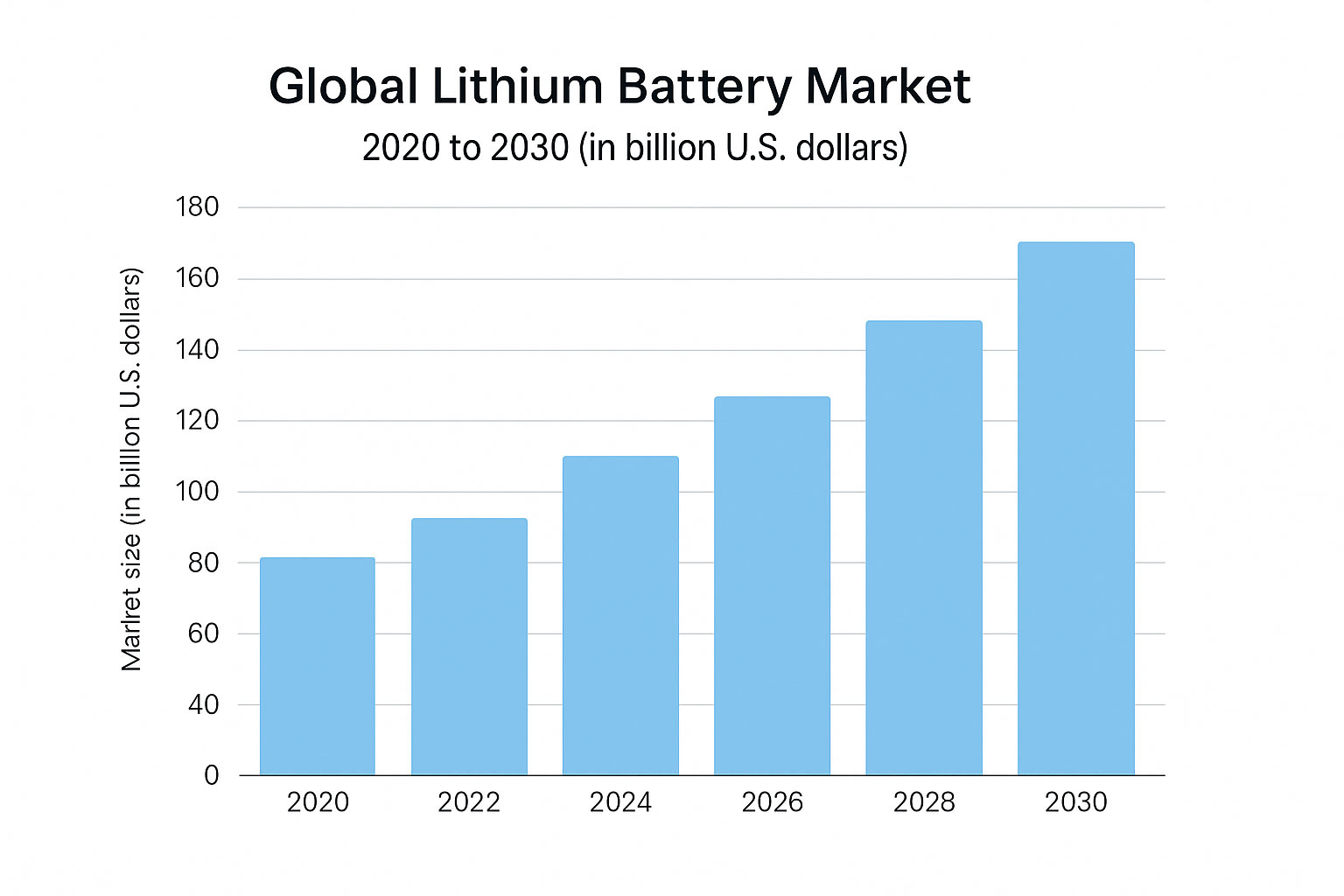
Demand for ⟨em⟩battery type lithium polymer⟩ continues to grow in areas like aerospace, wearable tech, and renewable energy. Innovations such as high‑nickel cathodes and solid‑state polymer electrolytes are making LiPo even more reliable. According to Statista, the global lithium battery market is expected to exceed $160 billion by 2030.
الخيار الهندسي
In Consumer Electronic design project, selecting the right power source is critical—not only for performance, but also for safety, reliability, and form factor integration. In this regard, the battery type lithium polymer stands out as an ideal solution for modern mobile electronic products.
Its lightweight structure, flexible design, and stable electrochemical behavior make it perfectly suited for compact devices like smartwatches, portable medical tools, and wireless wearables. Moreover, with the right battery management system (BMS) and protection circuitry, LiPo batteries offer a safe and dependable power supply, even in demanding environments.
When designing for mobility and user safety, lithium polymer batteries are no longer just an option—they’re a strategic engineering choice.