
MOTOMA energy technology

低温バッテリー

3.7V 低温リチウムポリマー電池 150mAh ODM OEM サービス工場、リチウムイオン電池 3.7V 低温、-40 ℃ という非常に過酷な環境でも屋外で動作し、通常の電池では絶対に顧客の要件を満たすことができません。

低温バッテリー

3.7V 低温リチウムポリマー電池 150mAh

  • 動作温度範囲:-40~60°C
  • 電圧:3.7V
  • 容量:150 mAh
  • 長いサイクル寿命:標準サイクルの80倍で容量保持率は>500%
  • 低い内部抵抗
  • 十分なバッテリー容量
  • 優れたサイクル寿命
  • 最適化されたPCM設計
  • 直列接続または並列接続が許可されています
  • バッテリーケミストリー:リチウムイオンポリマー
  • バッテリー終端:PCピン(水平)/(垂直)、SMT(SMD)マウント、はんだタブ、ワイヤー、コネクタ付きケーブル。
  • カスタマイズサービス:フレキシブルサイズ、カスタマイズされたバッテリー、リチウムポリバッテリーセルパック工場。
Category
低温バッテリー
Price: project quote
Customization available

3.7V 低温リチウムポリマー電池 150mAh

低温LiPoバッテリー、-40°Cで動作

製品仕様書
バッテリーモデル 3.7V LIP352322 150mAh
公称電圧 3.7V
公称容量 150mAhの
最小容量 150mAhの
充電電圧 4.2V
標準充電電流 30mA (0.2C)
終了電流 1.5mA (0.01C)
最大充電電流 75mA (0.5C)
標準放電電流 30mA (0.2C)
最大放電電流 150mA (1C)
放電の終了電圧 3.0V
セルの寸法 3.5 * 23 * 22ミリメートル
充電温度範囲 0~45°C
放電温度範囲 -40~60°C
コネクタ モレックス、JST、ホライズコネクタなど
NTCの 103AT 10K 1%@ +25C B3380
保護回路モジュール(PCM) 過充電保護、過放電保護、過電流保護、短絡保護、温度保護など
保証期間 12ヶ月
証明 書

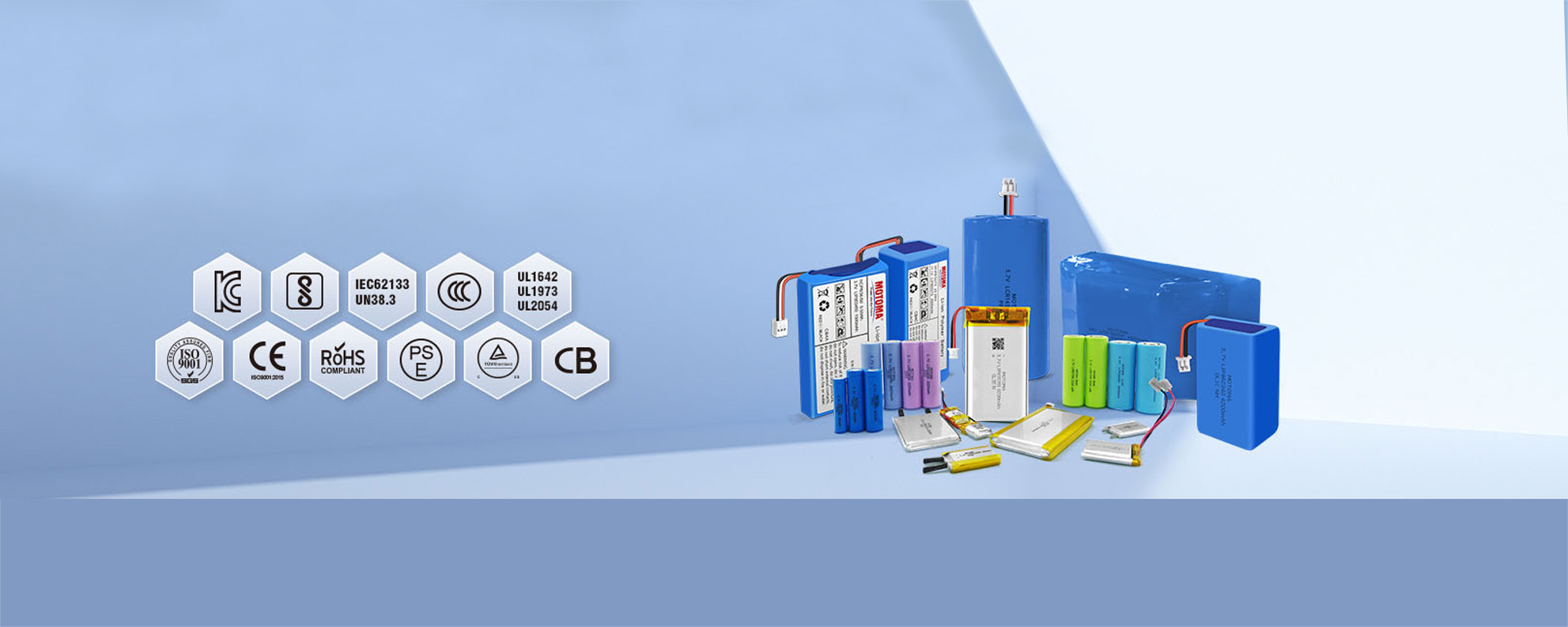
UN38.3、MSDS、IEC62133、CB、KC、BIS、PSE、UL1642、UL2054、リーチ、RoHSなど

3.7V 低温リチウムポリマー電池 150mAh

Project request

Request product information

Tell us about your project and customer profile. The form structure follows the supplied inquiry workflow, including company/individual selection and conditional business questions.

Only name, country/region and email are required. All other fields are optional.

Tailored engineering

Product customization

Define the electrical, mechanical, protection, installation and production requirements for engineering review. Final configuration, safety limits, certification and tooling remain subject to MOTOMA approval.

Product3.7V 低温リチウムポリマー電池 150mAh
ElectricalVoltage / power / capacity review
IntegrationConnection / communication / protection
ApprovalSample + compliance review

Only name, country/region and email are required. All other fields are optional.

1. Contact and project
2. Electrical requirements
3. Mechanical and connection
4. Protection and compliance
Attach drawings or specifications where available.

Custom product projects require technical feasibility review, safety validation and the appropriate compliance plan before mass production.