
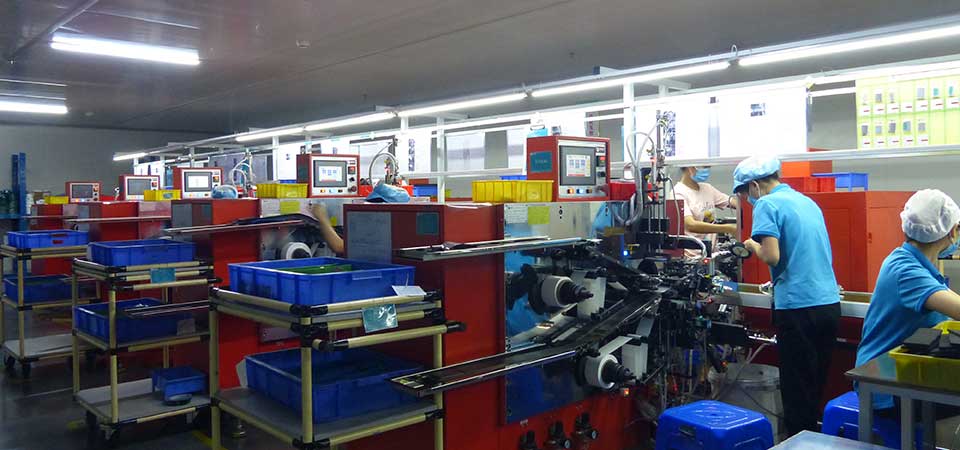
در یک ایستگاه کاری بدون گرد و غبار در آزمایشگاه دانشگاه فودان، گروهی از باتری های برق بازنشسته با ظرفیت باقیمانده تنها 68 درصد در حال "تولد دوباره" هستند. محققان از یک سرنگ مخصوص طراحی شده برای تزریق 0.5 میلی لیتر در ساعت از یک محلول ترمیمی شفاف از طریق درگاه تزریق الکترولیت استفاده می کنند. بیست دقیقه بعد، طول عمر باتری لیتیومی یک تا دو مرتبه افزایش می یابد. کل فرآیند شبیه یک "جراحی کم تهاجمی" دقیق برای باتری ها است که یک پایه تکنولوژیکی حیاتی برای تحول صنعت فراهم می کند.

پیشرفت تکنولوژیکی: بازسازی زندگی در سطح نانو
این تحقیق با عنوان "تامین لیتیوم خارجی کمبود لیتیوم و محدودیت طول عمر باتری ها را تغییر می دهد" در Nature در 13 فوریه منتشر شد. این فناوری تعمیر پیشگام در سطح جهانی به سه پیشرفت عمده دست می یابد:
- مکانیسم ترمیم سطح مولکولی - محلول ترمیمی ساختارهای حل یون لیتیوم را تنظیم می کند و یک لایه محافظ 5 نانومتری روی سطح کاتد تشکیل می دهد و به طور موثر واکنش های جانبی تجزیه الکترولیت ها را سرکوب می کند.
- قابلیت بازسازی شبکه - شبیه سازی دینامیک مولکولی تأیید می کند که اجزای تعمیر دقیقا عیوب شبکه را در مواد سه تایی پر می کنند و کانال های انتقال لیتیوم یون را به 92٪ حالت اولیه خود بازمی گردانند.
- اعتبار سنجی صنعتی - داده های آزمایش نشان می دهد که باتری های تعمیر شده به افزایش 2.3 برابری عمر چرخه دست می یابند، با یک تعمیر تنها 1.2 درصد از ارزش باقیمانده باتری هزینه دارد - کاهش 85 درصدی مصرف انرژی در مقایسه با روش های سنتی برچیدن و نگهداری.

پس از بیش از چهار سال تحقیق، این فناوری به طور کامل رویه مرسوم صنعت از بین بردن بسته های باتری برای جایگزینی سلول ها را لغو کرده است. به جای انجام یک فرآیند پرهزینه و تهاجمی، بسته های باتری با قدرت با ارزش بالا اکنون می توانند از طریق یک پورت تزریق 2 میلی متری بازسازی شوند. این فناوری برای مکمل لیتیوم، ذخیره انرژی و سیستم های ذخیره سازی خورشیدی یکپارچه قابل استفاده است.
تحول صنعت: از تولید تا "شفای هوشمند"
Once synthesized, the research team validated that this molecule meets stringent lithium-ion carrier performance requirements. It is low-cost, easy to synthesize, and highly compatible with various battery active materials, electrolytes, and other components. The technology has been successfully applied to lithium polymer pouch batteries, cylindrical batteries, prismatic batteries, and fiber-based lithium-ion batteries.
The application of this technology is reshaping the industry ecosystem:
- Front-End Design – Electrolyte injection ports are becoming a standard component in new energy vehicles, similar to the Type-C interface in consumer electronics.
- Midstream Services – The "Battery Hospital" in Shanghai Lingang is now operational, integrating CT scanning, electrochemical testing, and a cloud-based health management system to create a digitalized "diagnosis-repair-warranty" loop.
- Back-End Value – NIO’s BaaS 3.0 service now includes battery health rights, increasing the asset utilization cycle of battery banks by 40%.
According to 2023 industry data estimates, this technology can reduce carbon emissions by 120 kg per battery over its lifecycle. When scaled to China’s annual installed capacity of power batteries, it equates to preventing heavy metal pollution in 18 West Lake-sized bodies of water each year.

Environmental Benefits: The Key to Overcoming Resource Crises
With global lithium reserves expected to last only 20 more years, the environmental value of this technology is increasingly evident:
- Resource Conservation – Repairing one ton of batteries saves the equivalent of mining 200 tons of lithium ore.
- Energy Efficiency – The repair process consumes only 5% of the energy required to produce a new battery, saving 40,000 liters of industrial water per ton.
- Business Innovation – Ping An Insurance has introduced battery health insurance, while the demand for battery repair technicians has surged, with an estimated shortage of 100,000 professionals.
Pilot data from Tesla’s V4 Supercharger stations indicates that integrating this repair technology into maintenance services reduces single-station operational costs by 15%. This transformation has also given rise to a new profession—battery diagnostic engineers—who now earn three times the hourly wage of traditional repair technicians.

A Technological Blueprint for a Sustainable Future
Much like a medical injection, this carrier molecule can be introduced into aged, degraded batteries to precisely replenish lost lithium ions, restoring battery capacity without any degradation. Inspired by medical syringes, this innovation is setting new industry standards for renewable energy:
- Precision Monitoring – Cloud-based systems can track capacity degradation down to 0.1% accuracy.
- Standardization Efforts – The International Electrotechnical Commission (IEC) has initiated the development of Technical Guidelines for Power Battery Repair.
- Material Advancements – The organic-inorganic hybrid materials used in the restorative solution have already led to three derivative patents.
With Germany‘s TÜV Rheinland certification body incorporating this technology into its 2025 battery safety evaluation system, this innovation represents more than just a Chinese breakthrough—it signifies a global industry consensus on sustainability.
In the second chapter of the renewable energy revolution, perhaps the most remarkable innovation isn’t about making batteries more powerful—it’s about ensuring every battery ages gracefully.