
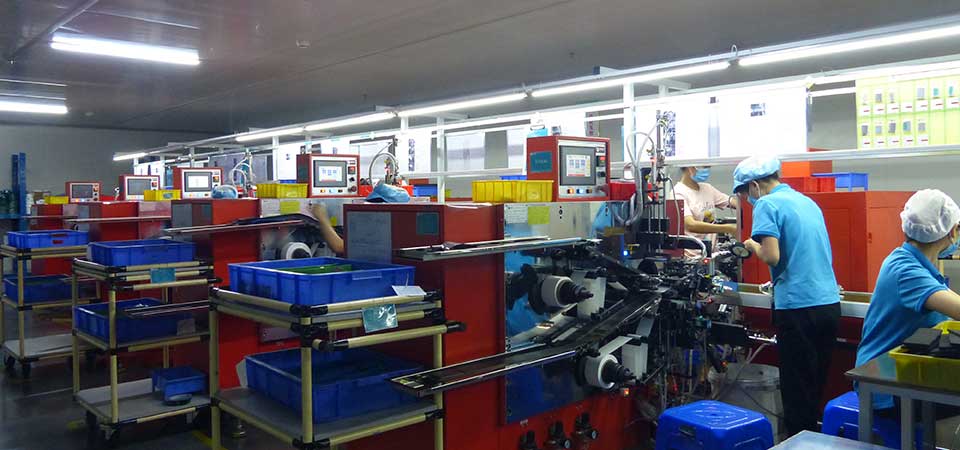
기기가 더 작고 더 스마트하며 더 강력해질수록, 작지만 고성능인 에너지원에 대한 수요가 계속 증가하고 있습니다. 대표적인 해법 중 하나가 리튬 폴리머 배터리, 즉 LiPo 배터리입니다. 이 배터리는 가볍고 유연할 뿐 아니라 소비자 전자제품부터 항공우주까지 다양한 산업에서 널리 사용됩니다.
리튬 폴리머 배터리란 무엇인가?
리튬 폴리머 배터리는 기존 리튬이온 셀의 액체 전해질 대신 폴리머 기반 겔 전해질을 사용하는 충전식 리튬이온 배터리의 한 종류입니다. 다양한 형태와 초박형 구조로 제조할 수 있어 설계 자유도가 높으며, 두께는 0.4 mm까지 얇게 만들 수 있습니다.
- 높은 에너지 밀도 (typically 500–620 Wh/L depending on chemistry)
- 평평하고 가벼우며 맞춤형 형태 제작 가능
- 셀당 공칭 전압 3.7 V
- Operating temperature range from –40 °C to +85 °C
- 누액 또는 전해액 유출 위험이 낮음
리튬 폴리머 배터리의 화학 조성 유형
| 배터리 유형 | 양극재 | 전압 | 주요 특징 |
|---|---|---|---|
| LCO (Lithium Cobalt Oxide) | LiCoO₂ | 3.7 V | 높은 에너지 밀도, compact, lower safety |
| NMC/NCA (Nickel-based Ternary) | Li(NiMnCo)O₂ or NCA | 3.6 V | Balanced performance, used in EVs |
| LMO (Lithium Manganese Oxide) | LiMn₂O₄ | 3.7–4.2 V | High safety, moderate energy, power tools |
| LFP (Lithium Iron Phosphate) | LiFePO₄ | 3.2 V | Superior thermal stability, long lifespan |
리튬 폴리머 배터리의 안전성 장점
- Solid/Gel 전해질 – More stable, less leakage risk.
- 넓은 온도 범위 – Operates from –40 °C to +85°C.
- 과충전 및 단락 보호 – Built-in BMS or PCM improves safety.
참고: 안전성 still depends on using certified components, proper charging, and avoiding physical damage.
리튬 폴리머 배터리의 실제 응용 분야
- 소비자 전자제품: Smartphones, tablets, smartwatches—LiPo enables slim, lightweight designs.
- 드론 및 RC 모델: High discharge rates and low weight make them ideal for UAVs and RC devices.
- 전기차 및 전기자전거: Compact form and high power support portable mobility.
- 전동 공구: Enables cordless drills, saws with fast power delivery.
- 의료기기: Portable monitors and defibrillators benefit from stable, safe power.
- 재생에너지 저장장치 및 UPS: Custom shapes and long standby life for solar storage and backup systems.
- 항공우주 및 방위: UAVs, satellites, and rugged gear use LiPo for weight savings and thermal reliability.
LiPo와 리튬이온 배터리의 차이점
| 항목 | LiPo 배터리 | 리튬이온 배터리 |
|---|---|---|
| 전해질 | 겔 형태의 폴리머 | 액체 |
| 형태 | 유연한 파우치 | 강성 원통형/각형 |
| 무게 | 더 가벼움 | 더 무거움 |
| 에너지 밀도 | 약간 낮음 | 더 높음 |
| 비용 | 더 높음 | 더 낮음 |
| 안전성 | Safer if punctured | More risk of thermal runaway |
LiPo 배터리의 단점
- 짧은 사이클 수명(500회)
- 더 높음 cost
- 손상되거나 과충전될 경우 팽창 또는 화재 가능성
- 특수 화학 조성을 사용하지 않으면 저온 성능 저하
향후 전망
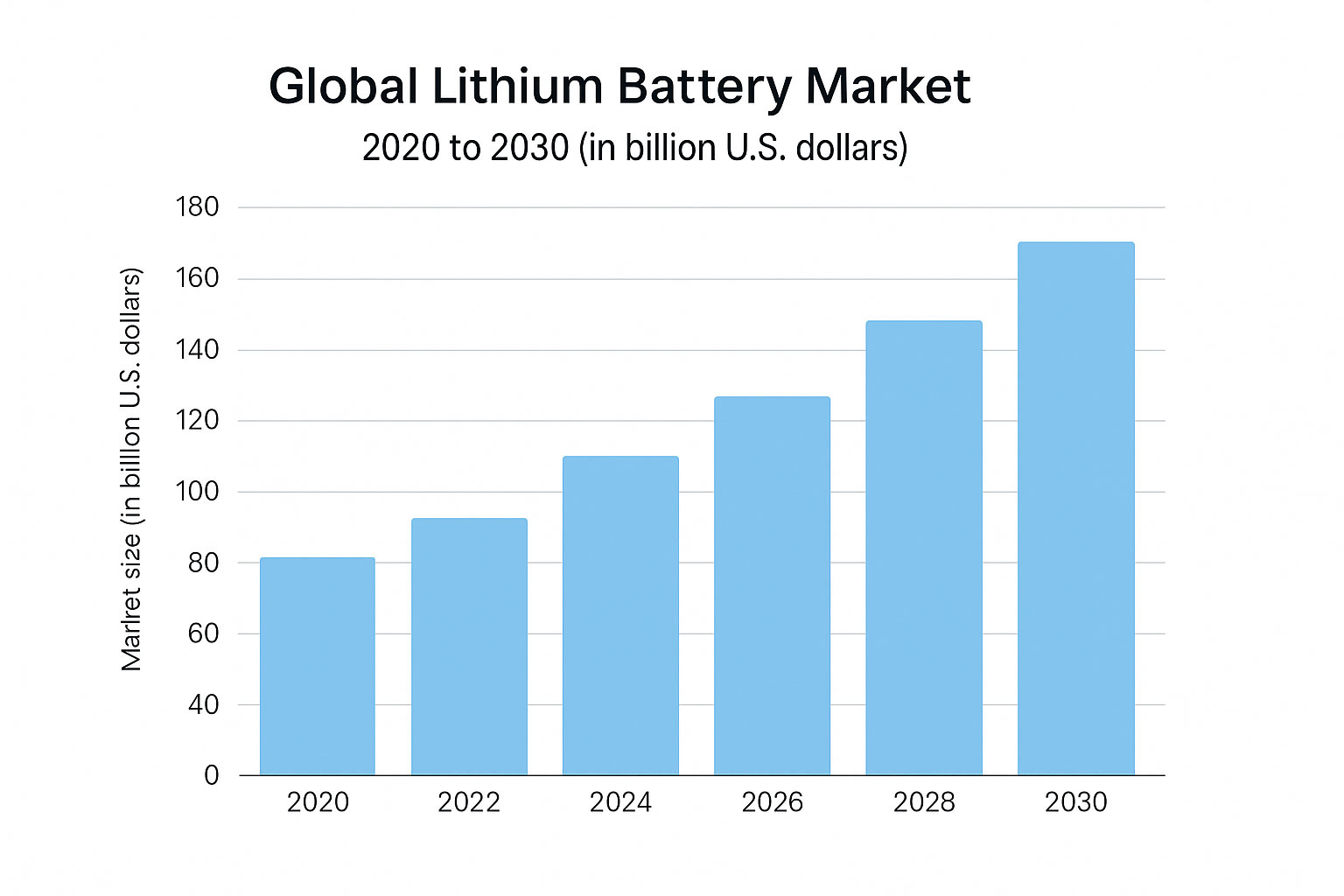
Demand for ⟨em⟩battery type lithium polymer⟩ continues to grow in areas like aerospace, wearable tech, and renewable energy. Innovations such as high‑nickel cathodes and solid‑state polymer electrolytes are making LiPo even more reliable. According to Statista, the global lithium battery market is expected to exceed $160 billion by 2030.
엔지니어링 선택
In Consumer Electronic design project, selecting the right power source is critical—not only for performance, but also for safety, reliability, and form factor integration. In this regard, the battery type lithium polymer stands out as an ideal solution for modern mobile electronic products.
Its lightweight structure, flexible design, and stable electrochemical behavior make it perfectly suited for compact devices like smartwatches, portable medical tools, and wireless wearables. Moreover, with the right battery management system (BMS) and protection circuitry, LiPo batteries offer a safe and dependable power supply, even in demanding environments.
When designing for mobility and user safety, lithium polymer batteries are no longer just an option—they’re a strategic engineering choice.